Case Study: Breakwater Rehabilitation After Storm Damage
Breakwaters are critical coastal structures that protect harbours, marinas, and shorelines from wave action and erosion. When a severe storm strikes, the damage to these structures can be significant, requiring immediate assessment and a well-coordinated rehabilitation effort. This case study examines the process of rehabilitating a breakwater following storm damage, focusing on the steps taken to evaluate the extent of the damage, implement emergency repairs, and plan for long-term resilience. The lessons learned from this experience are applicable to similar coastal infrastructure projects and highlight the importance of a systematic approach.
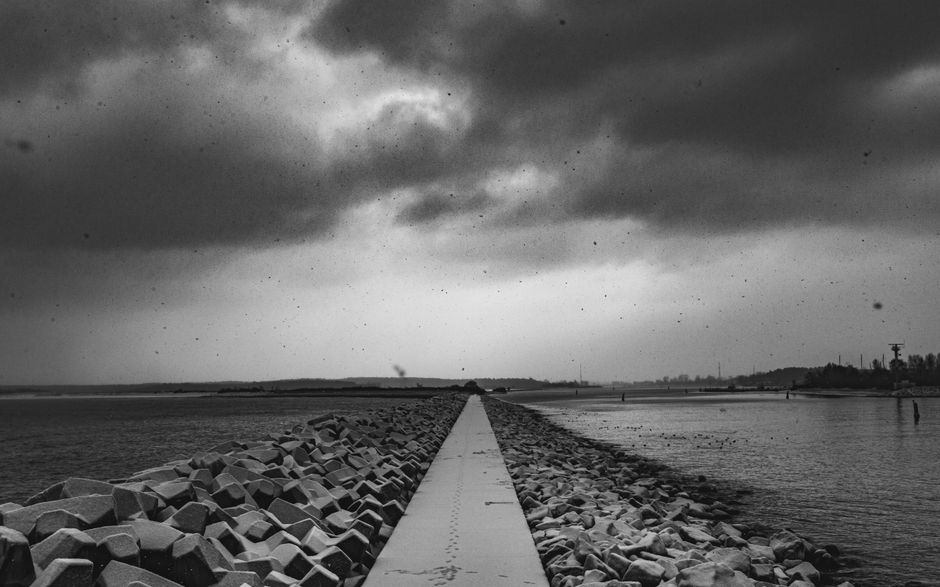
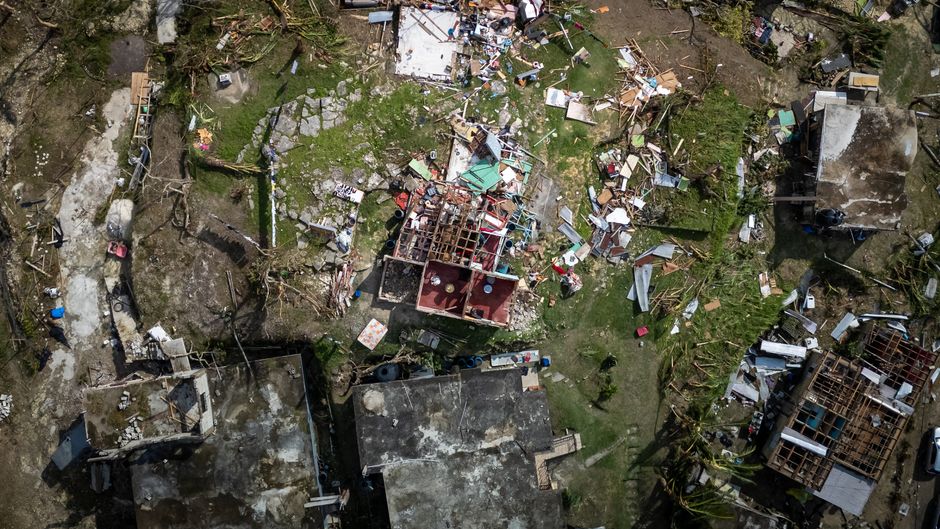
The breakwater in question is located in a region of the United Kingdom that is exposed to prevailing south-westerly winds and frequent winter storms. Constructed principally of rubble mound with a concrete crown wall, it had provided protection for several decades. The storm event that caused the damage was characterised by 80 mph winds and wave heights exceeding 8 metres, which overwhelmed the structure’s design capacity. The resulting damage included displacement of armour rock, settlement of the crest, and cracking of the crown wall. The immediate concern was the safety of the harbour and the adjacent coastal community.
In the aftermath of such an event, the priority is to secure the area and prevent further deterioration. This article outlines the key phases of the rehabilitation project: emergency response, detailed assessment, design of repairs, and implementation of long-term resilience measures. Each phase is discussed in detail, with reference to the specific challenges encountered and the solutions adopted. The aim is to provide a informative overview that can assist engineers, asset managers, and coastal planners in their own projects.
Emergency Response and Initial Assessment
The first phase of any post-storm rehabilitation is the emergency response, which begins as soon as it is safe to access the site. The primary objectives are to prevent injury to the public and further loss of structure. In this case, the harbour master immediately closed the harbour to all traffic, and a temporary exclusion zone was established around the damaged section of the breakwater. Visual inspections from land and sea were carried out to identify immediate hazards such as loose armour units or overtopping risks. Emergency repairs were then undertaken to stabilise the most critical areas. These repairs included placement of additional rock armour at the toe of the structure and temporary support for the crown wall. The emergency phase is not about restoring full functionality but about buying time for a more thorough investigation.
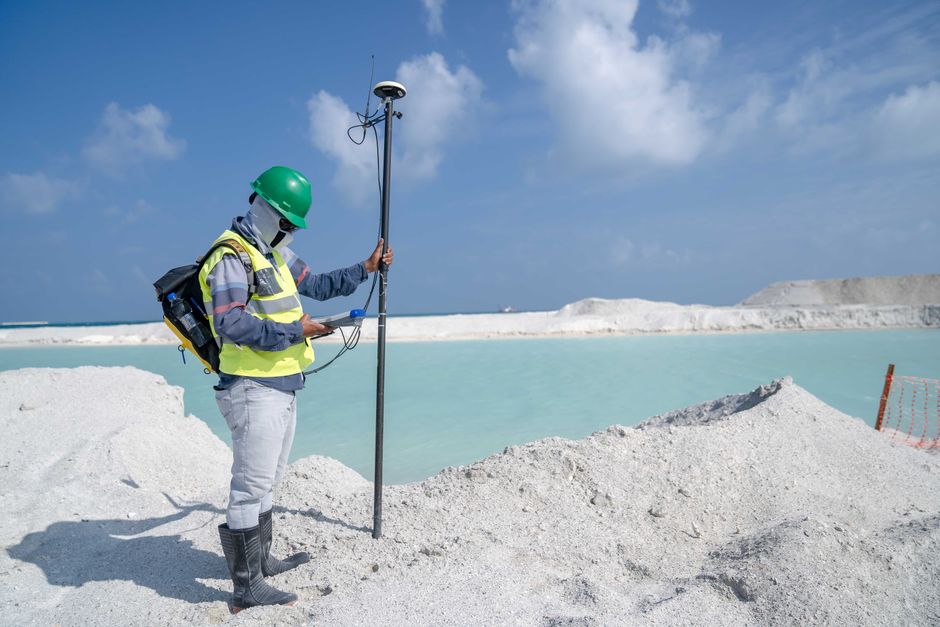
A detailed assessment follows the emergency response. This involves a combination of visual inspection, topographic and bathymetric surveys, and, where necessary, geotechnical investigations. For this breakwater, multibeam sonar was used to map the underwater profile and identify areas of scour or displaced material. Diver surveys provided close-up inspection of the armour layers and core. The data collected were used to create a digital model of the damaged structure, which helped engineers understand the failure mechanisms. It was found that the storm had caused rotation and displacement of several armour units on the seaward slope, leading to exposure of the underlayer and subsequent erosion of the core. The crown wall had also settled and cracked due to undermining. These findings were critical for designing effective repairs.
Risk assessment during this phase is not solely about the structure but also about the environment and the community. The breakwater protects a harbour that supports local fishing and tourism, so any prolonged closure has economic implications. However, safety remains paramount. The assessment team worked closely with local authorities to communicate the situation and manage expectations. This collaborative approach helped to maintain trust and ensure that decisions were made transparently. The emergency and assessment phases typically take several weeks to a few months, depending on the scale of damage and weather conditions.
Design of Rehabilitation Works
The design phase translates the assessment findings into a construction plan. The goal is not only to restore the breakwater to its pre-storm condition but also to enhance its resilience to future events. This requires a thorough understanding of the original design, the cause of failure, and the latest coastal engineering standards. In the United Kingdom, guidance such as the Coastal Engineering Manual and the UK Climate Projections are often referenced to account for sea level rise and increased storminess. For this project, the design team opted for a hybrid approach: repairing the existing structure while incorporating improvements. This included replacing displaced armour with heavier units, adding a toe berm to improve stability, and reconstructing the crown wall with reinforced concrete and a more robust foundation.
The design process also considered constructability and environmental impact. The breakwater is in an environmentally sensitive area, so measures were taken to minimise disturbance to marine life. For example, construction activities were timed to avoid the breeding season of local seabirds, and silt curtains were used to contain sediment during underwater work. The design had to accommodate the available construction equipment and access constraints. A temporary access ramp was built to allow heavy machinery to reach the breakwater, and materials were delivered by sea where possible to reduce road traffic. These logistical considerations are often as challenging as the technical design itself.
Another key aspect of the design was the selection of materials. The original armour rock had a density of 2.6 tonnes per cubic metre, but the storm had shown that this was insufficient for the new wave loadings. The design specified a denser rock (2.8 tonnes per cubic metre) and increased the median size of the armour units. For the crown wall, high-performance concrete with a low water-cement ratio was chosen to improve durability in the marine environment. The design also included monitoring instruments, such as settlement gauges and wave sensors, to track the performance of the repaired structure over time. This data will inform future maintenance and adaptive management strategies.
Construction and Implementation
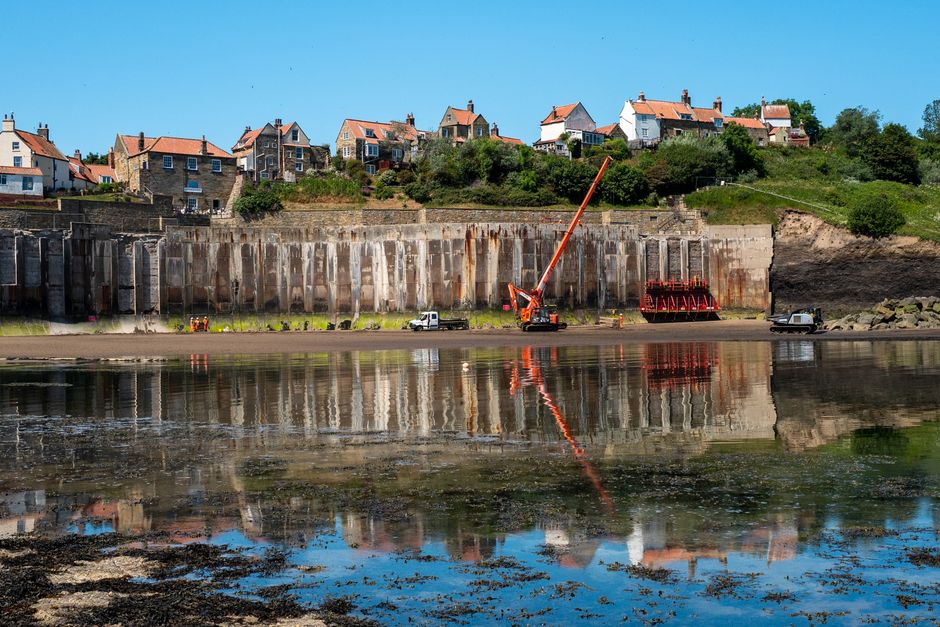
Construction of the rehabilitation works was carried out over a period of six months, with work restricted to calm weather windows. The sequence of operations was carefully planned to ensure that the breakwater remained partially functional throughout. The first step was to remove the damaged armour and concrete, which was done using a combination of excavators on the crest and a crane barge on the seaward side. The removed material was sorted; some was reused as core material, while the rest was recycled or disposed of responsibly. The new armour units were then placed using a GPS-guided placement system to ensure accurate positioning. Each unit was placed individually, and divers verified the placement to confirm proper interlocking.
The reconstruction of the crown wall involved pouring concrete in sections to avoid thermal cracking. The wall was anchored to the underlying rock with dowels and reinforced with steel bars. After curing, the wall was tested for structural integrity using non-destructive methods such as ultrasonic testing. Throughout construction, quality control was paramount. Regular surveys were conducted to monitor the performance of the works, and adjustments were made as needed. For instance, after placing the first layer of armour, it was observed that wave reflection was higher than expected, so the slope was adjusted slightly to dissipate more energy. This adaptive approach is a hallmark of successful coastal engineering projects.
Health and safety were top priorities during construction. The site was exposed to the sea, so workers wore personal flotation devices and were trained in sea survival. A rescue boat was on standby at all times. The project also had to contend with public interest; a viewing area was set up so that local residents could observe the works, and regular updates were provided through community meetings and social media. This transparency helped to build support for the project and reduce concerns about disruption. The construction phase concluded with a thorough inspection and handover to the asset owner, along with an updated operation and maintenance manual.
Long-Term Resilience and Lessons Learned
The rehabilitation of the breakwater was not just about repairing damage but about building back better. Long-term resilience measures were integrated into the design to reduce the risk of future failure. These measures include the use of more robust materials, improved geometry, and the addition of a monitoring system. However, resilience is not solely a technical matter; it also involves planning and management. The project highlighted the importance of regular inspections and maintenance. A routine inspection regime was established, with annual visual checks and detailed surveys every five years. This will allow early detection of any issues and prompt intervention.
Another lesson learned is the value of emergency preparedness. The storm that caused the damage was forecasted, but the severity was underestimated. Having a pre-defined emergency response plan can significantly reduce reaction times and improve outcomes. Such a plan should include contact lists, pre-agreed access routes, and stockpiles of emergency materials. In this case, the harbour authority had a plan in place, which facilitated the rapid closure of the harbour and the initial stabilisation works. However, the plan had not been exercised recently, so some coordination challenges arose. Regular drills and updates to the plan are recommended.
Finally, the project demonstrated the benefits of a collaborative approach. The rehabilitation involved multiple stakeholders, including the harbour authority, engineering consultants, contractors, and environmental regulators. Early engagement and clear communication were essential to align objectives and avoid delays. The use of a shared digital platform for data sharing and project management helped to keep everyone informed. Looking ahead, climate change adaptation will require even greater integration of coastal processes, asset management, and community resilience. This case study provides a useful reference for those involved in similar projects, emphasising that successful rehabilitation combines sound engineering with careful planning and stakeholder engagement.
Coastal structures are constantly under attack from the sea; their resilience depends on our ability to learn from each event and adapt our approaches accordingly.