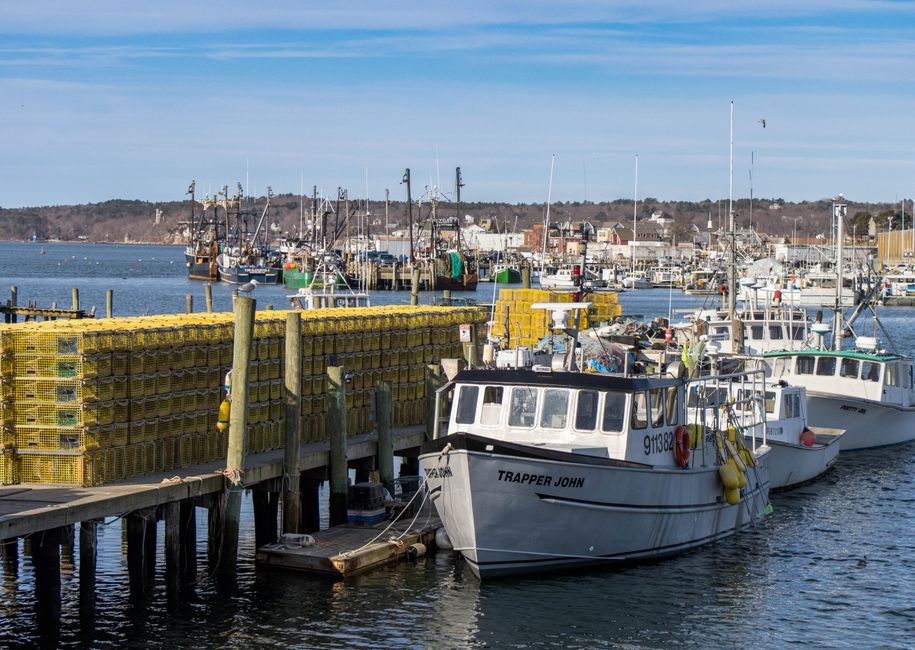
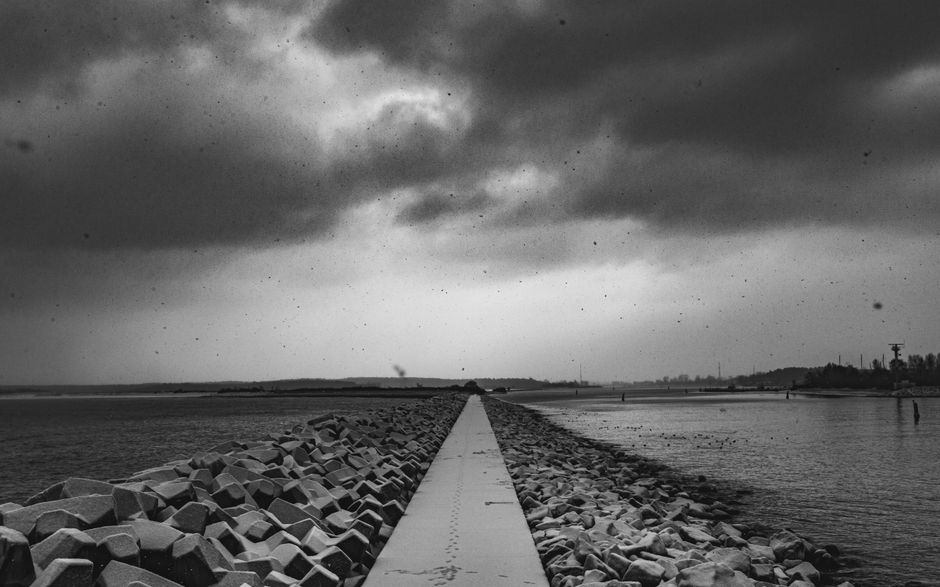
This hub brings together our engineering writing on port design, marine structures and coastal infrastructure. It is written for the people who actually have to make these schemes work — engineers, designers, consultants and clients — and it concentrates on the detail that determines whether a quay wall, breakwater or navigation aid performs as intended over decades of tide, wave and berthing load. Everything here is drawn from live project work, so the guidance reflects real constraints on buildability, survey access and maintenance rather than idealised conditions.
What you will find in the hub
- Port and terminal design — quay walls, jetties, berth layouts, fender and mooring systems, and the vessel assumptions that drive them.
- Marine structures — breakwaters, groynes, sea walls, caissons and the armour, scour and stability checks behind them.
- Navigation infrastructure — lighthouses, beacons, buoys, leading lights and the availability and range requirements that shape their placement.
- Coastal and environmental context — sediment transport, coastal processes, dredging and disposal, and the assessments regulators expect.
- Standards and delivery — how UK and international codes such as BS 6349 are applied in practice, plus specification, inspection and asset management.
How we approach port and marine engineering
- Establish the design basis first: vessel mix, operating limits, design life, water levels, wave and current data, and the consequences of failure.
- Test the concept against the site: ground conditions, bathymetry, exposure, access for plant and floating equipment, and constructability from the water.
- Size structural elements against governing load cases, then check durability, cathodic protection, tolerances and future maintenance access.
- Confirm consenting and environmental routes early, so that the design and the licence conditions do not pull in opposite directions.
Use the categories and articles below to move from first principles through to specification and construction detail. If a topic you need is not covered yet, this hub is updated as our projects progress, and the same design questions tend to recur across ports, harbours and coastal defences — from a small ferry berth to a full breakwater and navigation system.